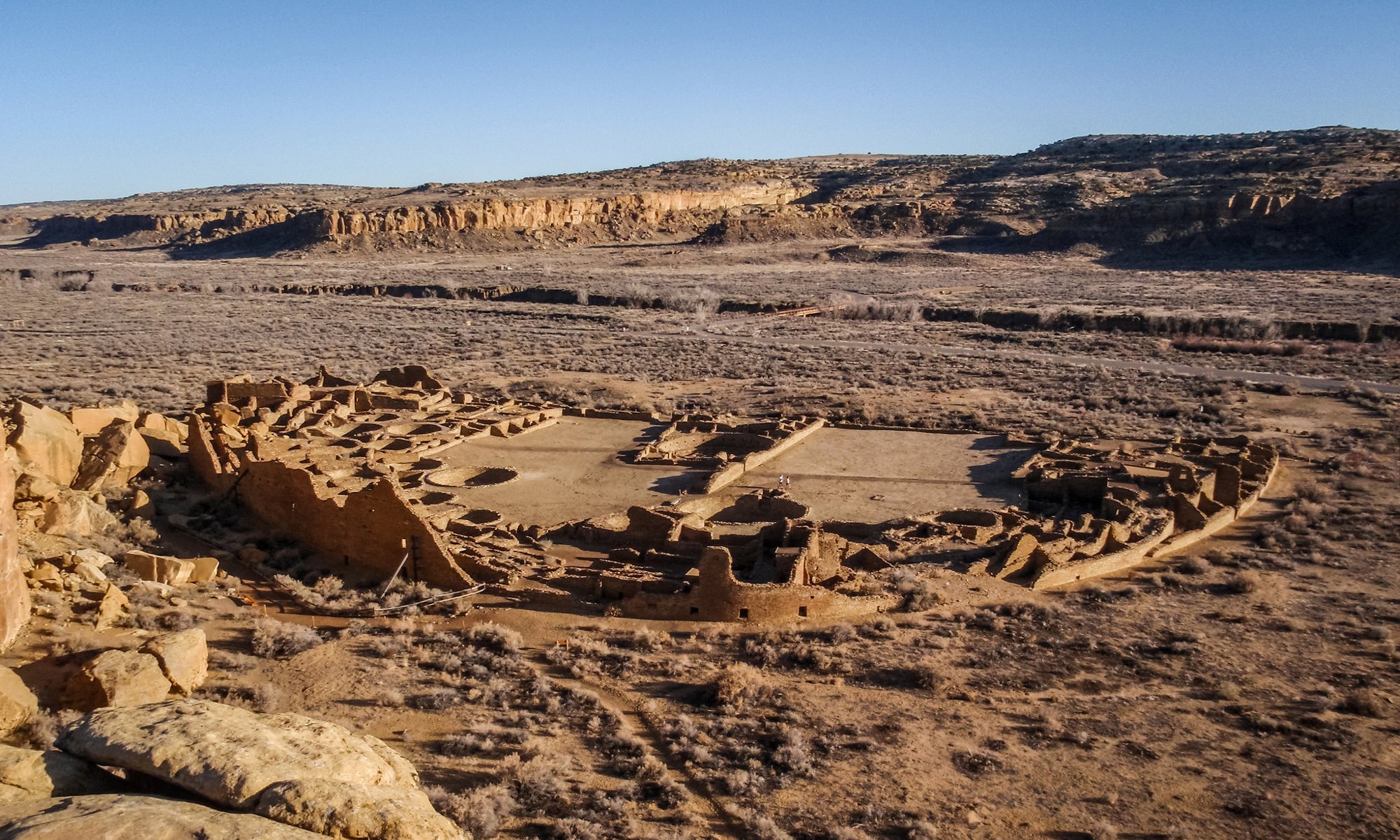

- Detailed explorations of Dartmoors geology reveal insights from https://combemartinmines.co.uk and beyond
- The Granite Heart of Dartmoor
- Impact on Mineralization
- The Palaeozoic Surroundings: Devonian and Carboniferous Rocks
- Historical Mining in the Peripheral Rocks
- Quaternary Influences: Glacial and Alluvial Processes
- The Role of Peat Formation
- The Legacy of Mining: Archaeological and Geological Evidence
- Modern Geological Investigations and Future Potential
Detailed explorations of Dartmoors geology reveal insights from https://combemartinmines.co.uk and beyond
Dartmoor National Park, a vast and rugged landscape in Devon, England, possesses a rich geological history, deeply intertwined with its mining past. The remnants of this industrial heritage are scattered across the moor, offering valuable insights into the region’s geological formations and the resources they yielded. Exploring Dartmoor's geology isn't just about identifying rock types and landforms; it's about understanding the processes that shaped this unique environment over millions of years – processes often revealed through the actions of those who mined its depths. Resources like https://combemartinmines.co.uk provide a gateway to delve into the specifics of particular mining sites and understand their contribution to the wider geological picture.
The geological story of Dartmoor is complex, spanning from the Precambrian era to more recent glacial periods. The dominant rock type is granite, formed deep within the Earth and slowly exposed over time through erosion. This granite is responsible for the characteristic tors, large rock outcrops, and the overall ruggedness of the landscape. However, surrounding the granite are layers of sedimentary and volcanic rocks, remnants of ancient sea beds and volcanic activity. These varied geological formations created a diverse range of minerals, attracting miners for centuries, leaving behind visible marks on the landscape and providing essential data for geologists today.
The Granite Heart of Dartmoor
The South West Granite, the geological foundation of Dartmoor, is a coarse-grained igneous rock formed approximately 280 million years ago during the Permian period. The granite’s formation involved the slow cooling and solidification of magma deep beneath the surface. Its distinctive texture, characterized by large crystals of quartz, feldspar, and mica, provides clues about its origin and cooling rate. The granite's presence has a profound impact on Dartmoor’s landscape, contributing to its unique landforms and drainage patterns. Its resistance to erosion results in the formation of prominent tors, providing stunning viewpoints across the moorland. Understanding the composition and structure of this granite is fundamental to understanding the geological history of the area.
Impact on Mineralization
The granite's presence isn't just about landscape; it also played a critical role in the formation of the mineral veins that attracted miners. As the magma cooled, it released hot, watery fluids rich in dissolved minerals. These fluids circulated through fractures and joints in the surrounding rocks, depositing minerals like tin, tungsten, and copper. The resulting veins became the focus of extensive mining activity. Variations in the granite's composition and the nature of the fluids influenced the types and concentrations of minerals found in different areas of Dartmoor. The detailed exploration of these veins, facilitated by websites like resources available, allows geologists to reconstruct the processes of mineralization and understand the geological conditions that favored their formation.
| Mineral | Chemical Formula | Typical Dartmoor Occurrence |
|---|---|---|
| Cassiterite (Tin) | SnO2 | Veins within granite and surrounding metamorphic rocks |
| Wolframite (Tungsten) | (Fe,Mn)WO4 | Quartz veins associated with granite intrusions |
| Chalcopyrite (Copper) | CuFeS2 | Hydrothermal veins and disseminated deposits |
| Quartz | SiO2 | Abundant in veins, tors, and as a component of granite |
The table above illustrates some of the key minerals extracted from Dartmoor’s geological formations. The varied chemical compositions and occurrences highlight the complex geological processes at play.
The Palaeozoic Surroundings: Devonian and Carboniferous Rocks
While granite dominates the central part of Dartmoor, its edges are framed by older rocks from the Devonian and Carboniferous periods. These sedimentary and volcanic rocks represent a period of marine deposition and volcanic activity that predates the granite intrusion. The Devonian rocks, largely composed of slates, shales and sandstones, are indicative of a shallow sea environment. Subsequently, during the Carboniferous period, the area experienced significant volcanic activity, leading to the formation of lava flows and volcanic ash deposits. These surrounding rocks not only provide a contrast to the granite but also offer clues about the geological events that preceded its formation. They are also significantly associated with mineral deposits, offering alternative avenues for historic and potential modern exploration.
Historical Mining in the Peripheral Rocks
The Devonian and Carboniferous rocks hosted a variety of mining operations, distinct from those focused on the granite-related veins. These included the extraction of ball clay, used in ceramics, and limestone, utilized as a building material and for agricultural purposes. The geological composition of these peripheral rocks directly influenced the types of minerals that were economically viable to extract. The presence of specific clay minerals in the Devonian shales and the purity of the Carboniferous limestone provided the necessary qualities for these industrial applications. Studying these historic mining sites provides invaluable insights into the geological characteristics of these rocks and their economic significance throughout history.
- Ball clay pits were common in the areas surrounding the granite, exploiting the sedimentary deposits.
- Limestone quarries provided building stone for local structures and agricultural lime.
- Metals such as iron were extracted from specific formations within the surrounding rocks.
- Evidence of these earlier industries are often visible in the landscape today, informing geological studies.
These various mining activities demonstrate the diversity of Dartmoor’s geological resources beyond the more famed tin and tungsten extraction within the granite.
Quaternary Influences: Glacial and Alluvial Processes
The landscape of Dartmoor has been significantly shaped by Quaternary processes, particularly glacial and alluvial activity during the Pleistocene epoch. Despite not being directly glaciated, Dartmoor experienced periglacial conditions, including freeze-thaw cycles that fractured rocks and contributed to the formation of scree slopes and blockfields. Meltwater from surrounding glaciers also played a crucial role in shaping river valleys and depositing alluvium – sediment transported by water. This alluvial material often contains valuable gravels and sands, used for construction. The interplay between these geological forces contributes to the complex topography and drainage patterns observed across Dartmoor today.
The Role of Peat Formation
The high rainfall and cool temperatures of Dartmoor have also fostered extensive peat formation, a process in which partially decayed vegetation accumulates in waterlogged areas. Peat bogs are significant geological features, acting as archives of past environmental conditions. Analysis of peat layers can reveal information about vegetation changes, climate fluctuations, and even human activity. The acidic nature of peat also plays a role in the dissolution of minerals, influencing the water chemistry of Dartmoor’s rivers and streams. These peatlands are a significant aspect of the moor's geological and ecological makeup, and protecting these fragile ecosystems is paramount.
- Freeze-thaw weathering contributed to the breakdown of rocks, creating characteristic landforms.
- Meltwater streams eroded river valleys and deposited alluvial sediments.
- Peat formation preserved a record of past environmental conditions.
- The acidic nature of peat influences water chemistry and mineral dissolution.
Understanding these Quaternary influences is essential for a complete picture of Dartmoor’s geological evolution.
The Legacy of Mining: Archaeological and Geological Evidence
Dartmoor’s mining history has left an indelible mark on the landscape, providing a wealth of archaeological and geological evidence. Abandoned mineshafts, engine houses, and processing sites are scattered across the moor, serving as reminders of the region’s industrial past. These sites are not only historically significant but also offer valuable opportunities for geological research. The exposed rock faces within mineshafts provide access to geological formations that would otherwise be hidden from view, allowing geologists to study mineral veins, rock structures, and the processes of ore formation in detail. The ongoing preservation and study of these mining remains are crucial for maintaining our understanding of both Dartmoor’s geological and industrial heritage.
Modern Geological Investigations and Future Potential
Contemporary geological investigations on Dartmoor leverage advanced technologies such as geophysical surveying, geochemical analysis, and remote sensing to map geological structures, identify potential mineral resources, and assess environmental hazards. These methods provide non-invasive ways to explore the subsurface and gain a more comprehensive understanding of the region’s geology. While large-scale mining operations are unlikely to return to Dartmoor, there is ongoing interest in the potential for extraction of strategically important minerals and the sustainable management of geological resources. Further research will undoubtedly refine our understanding of Dartmoor's geological complexity and unlock new insights into its rich history.
The preservation of Dartmoor's unique geological heritage is not simply an academic pursuit. It has implications for land management, conservation efforts, and understanding the long-term stability of the landscape. Continued monitoring of geological hazards, such as landslides and ground instability, is crucial for ensuring the safety of visitors and local communities. Raising awareness of Dartmoor’s geological significance can promote responsible tourism and encourage a deeper appreciation for this truly remarkable landscape. Initiatives like those documented on https://combemartinmines.co.uk play a key role in communicating this complex story to a wider audience and ensuring its preservation for future generations.